What counts as a ceiling mold emergency?
Not every stain is urgent, but these situations are. Call right away if you see any of the following.
- Water actively dripping or running from the ceiling
- A bulging, sagging or cracking ceiling
- Mold spreading visibly over days
- A strong musty smell that appeared suddenly after a leak
- A ceiling that got wet after a storm, burst pipe or air conditioner overflow
- Water near light fixtures, ceiling fans or outlets
- Anyone in the home with breathing trouble who is reacting to the mold
If a ceiling has collapsed, if you smell gas or burning, or if there is a risk of electrical shock, leave the area and call 911 first. Then call us once everyone is safe.
What should you do in the first hour?
Speed matters because mold can begin growing within a day or two of a ceiling getting wet. These steps limit the damage while you wait for help.
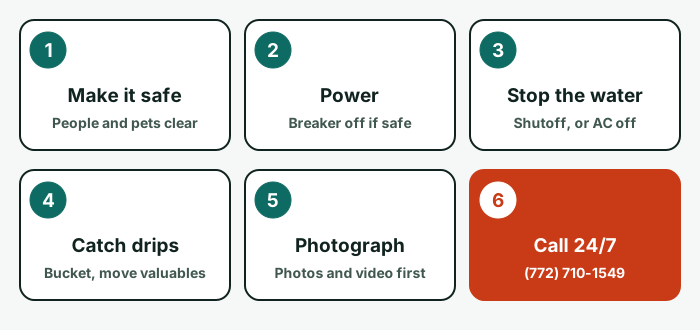
- Make it safe. Keep people and pets out from under the ceiling. Water-soaked drywall can fall.
- Protect electrical items. If water is near fixtures, fans or outlets, turn off the power to that area at the breaker, only if you can do so safely.
- Stop the water. If a plumbing leak above is the likely source, shut off the water supply. If it is an air conditioner overflow, switch the system off.
- Catch the drips. Place a bucket or tarp and move furniture and valuables out of the way.
- Relieve pooled water carefully. A bulging ceiling holding water can be dangerous to puncture. Stand to the side, not directly under, and do not do this if you are unsure.
- Ventilate and dry. Run a dehumidifier or fans aimed at the room, not at the ceiling.
- Photograph everything. Take photos and video of the damage for insurance before you move anything.
- Call. Dial (772) 710-1549 and describe what you see.
What happens when you call the 24/7 line?
You reach the 24/7 Emergency Line. You will be asked where the problem is, how large it looks, whether the ceiling is wet, soft or sagging, whether you can find the source and whether anyone has health concerns. If you can send photos, they help. From there, you get a free estimate and a plan for the next step. If the situation looks urgent, say so at the start so it can be prioritized.
Ceiling mold in your Fort Pierce home? Call now.
A real person answers around the clock. Describe what you see and ask for a free estimate.
24/7 Emergency Line. Free estimate by phone.
What do you not do?
Some well-meant moves make an emergency worse.
- Do not poke or scrape the ceiling. It can release spores and bring down wet material.
- Do not use a household vacuum. Ordinary vacuums blow fine spores back into the air. HEPA vacuums are different.
- Do not paint or seal the ceiling. Wet drywall painted over holds water.
- Do not point a fan at the ceiling. It spreads spores through the house.
- Do not wait it out. A ceiling that stays wet for several days is likely to need replacement.
- Do not ignore electrical risk. Water and wiring are a dangerous combination.
Why do storms and hurricane season matter?
Fort Pierce ceilings face a particular risk from June through November. A storm can lift shingles, push rain under flashing or knock out power, shutting down the air conditioner and letting humidity climb. A ceiling stain that shows up a few days after heavy rain is almost always a roof or flashing problem, and the damp area above it can be larger than the stain. If your home has had storm damage, call a roofer for temporary protection and call us about the ceiling. In a widespread storm, response times can be longer, so call early and describe the urgency.
How is an emergency different from a routine job?
The first step is stopping more damage. After that, the work follows the same process as a standard job: moisture mapping, containment, removal of wet or moldy material, cleaning, drying and rebuild. In an emergency the order shifts, with water control and drying prioritized, and drywall removal sometimes happening sooner to relieve pooled water and prevent collapse. Details are on our ceiling mold remediation page.
What about insurance in an emergency?
Take photos and video before you clean up, keep damaged materials until an adjuster says otherwise if you can and keep every receipt, including for emergency supplies. Contact your insurer promptly, because most policies require timely notice. Many Florida policies cover mold only after a sudden covered loss and limit the amount. This is general information, not insurance advice, so read your policy. The cost guide has more on how coverage and costs interact.
Who fixes the cause of the water?
A plumber stops a plumbing leak, a roofer repairs a roof leak and an air conditioning technician fixes a condensate line or pan. We handle the mold and the damaged ceiling. In an emergency, it helps to call the right trade for the water at the same time you call us, since the ceiling cannot be rebuilt until the water stops. Our AC leak and attic ceiling mold page explains how to tell where the water is coming from.
When is it not an emergency?
A small, dry, brown stain that has not changed in months is rarely urgent, and a small spot of surface mold in a bathroom corner can often wait for a regular call. Even then, call within a few days rather than months. If you are unsure, describe it on the phone and ask. The cost of asking is nothing, and the line is open 24/7.
Which neighborhoods can call?
We answer calls from Fort Pierce and the surrounding ZIP codes, including 34945, 34946, 34947, 34948, 34949, 34950, 34951, 34954, 34979, 34981 and 34982. See the service areas page for the full list.
What should you have ready for the call?
A few facts help whoever answers: your address, the room and the part of the ceiling, how large the wet or moldy area looks, whether water is still coming through, whether the ceiling is sagging and what is above it, such as an attic, a bathroom or the roof. Mention any storm damage, power outage or recent repair. If you can, have photos ready to send. If you already shut off water or power, say so. Those details let the plan start during the call instead of after it.
Frequently asked questions
Is a sagging ceiling an emergency?
Yes. A bulging or sagging ceiling often holds water and can collapse. Keep everyone out from under it, shut off the water source if possible, and call right away. If you think it may fall or there is any electrical risk, leave the room and call 911 if anyone is in danger.
Can mold form within 24 hours of a leak?
Mold can begin to grow on wet materials within about 24 to 48 hours, depending on conditions. In Florida's humid climate, speed matters. Drying quickly can prevent a mold problem from starting.
Do you answer calls at night and on holidays?
The line is open 24 hours a day, seven days a week, including nights, weekends and holidays. Tell the person who answers that it is urgent, and give your address and what you see.
Should I turn off the power if the ceiling is wet?
If water is near fixtures, fans or outlets, turn off power to that circuit at the breaker, but only if you can reach the panel safely and are not standing in water. If in doubt, stay away and call an electrician or emergency services.
What if the leak is from the unit above me in a condo?
Document the damage, notify your association or the owner of the unit above in writing and call your insurer. The mold removal in your ceiling can proceed once the leak is stopped, and your estimate can be used to support the claim.
Ceiling mold in your Fort Pierce home? Call now.
A real person answers around the clock. Describe what you see and ask for a free estimate.
24/7 Emergency Line. Free estimate by phone.