When can you handle ceiling mold yourself?
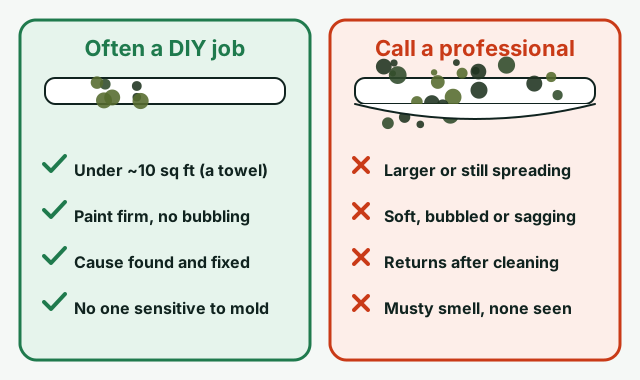
A do-it-yourself cleanup is reasonable when all of the following are true. Miss one, and it is time to call someone.
- The mold covers about 10 square feet or less, roughly a bath towel in size
- The ceiling is sealed, painted and firm, with no bubbling, sagging or crumbling
- The cause is known and already fixed, such as a bathroom fan you have repaired
- The growth is dry and on the surface, with no strong musty smell
- No one in the home has asthma, serious allergies, a weakened immune system or is an infant
- You can safely reach the area without climbing unstable ladders
The 10 square foot guideline comes from environmental health guidance for small mold problems. It is a practical limit, not a guarantee that everything under it is safe. If you doubt it, call.
What does a mold removal spray for ceilings actually do?
Sprays vary, but most work in one of three ways: by oxidizing or bleaching the surface growth, by dissolving it with surfactants or by coating it with a residue. They can make a stain disappear on sealed paint. They cannot do three things.
- Reach hidden growth. Mold in drywall paper, texture or insulation stays put.
- Fix the moisture. If the ceiling keeps getting wet, mold returns whatever you used.
- Replace damaged material. Soft or bubbled drywall has to be replaced, not sprayed.
Many sprays also carry strong fumes, which are a problem overhead in a small bathroom. Read the label and ventilate. Never mix a spray with bleach, ammonia or another cleaner.
Which cleaners work and which do not?
| Option | Where it helps | Where it fails |
|---|---|---|
| Dish detergent and warm water | Light growth on sealed paint, the safest first try | Heavy or hidden growth |
| White vinegar | Mild growth, minimal fumes | Heavy growth, hidden mold |
| 3 percent hydrogen peroxide | Lightening stains on sealed surfaces | Can lighten paint, slow on heavy growth |
| Diluted bleach | Hard, non-porous surfaces such as tile | Drywall and texture, harsh fumes in small rooms |
| Commercial ceiling mold sprays | Surface stains on sealed paint | Hidden growth, moisture, damaged material |
| Fogging or ozone gadgets | Not recommended for ceilings | They do not remove mold or fix moisture |
For most ceilings the plain detergent approach is the best starting point. It costs little and carries less risk than stronger products.
How do you clean a small ceiling spot safely?
- Protect yourself. Wear a fitted N95 or better, goggles that seal around the eyes, gloves and old clothes. Ordinary dust masks do not stop spores.
- Ventilate. Run the fan or open a window. Do not point a fan at the ceiling.
- Protect the room. Cover the floor and furniture with plastic or old sheets.
- Clean damp. Wipe with a damp sponge and detergent solution from the edge inward. Do not dry scrub or sand.
- Wipe and rinse. Use fresh damp cloths to remove residue.
- Bag everything. Seal cloths and sponges in a plastic bag and discard.
- Dry thoroughly. Use a dehumidifier or fan aimed at the room, not the ceiling, and keep the room dry.
- Recheck. Look again in two weeks and again in a month.
Ceiling mold in your Fort Pierce home? Call now.
A real person answers around the clock. Describe what you see and ask for a free estimate.
24/7 Emergency Line. Free estimate by phone.
What are the signs that DIY is not working?
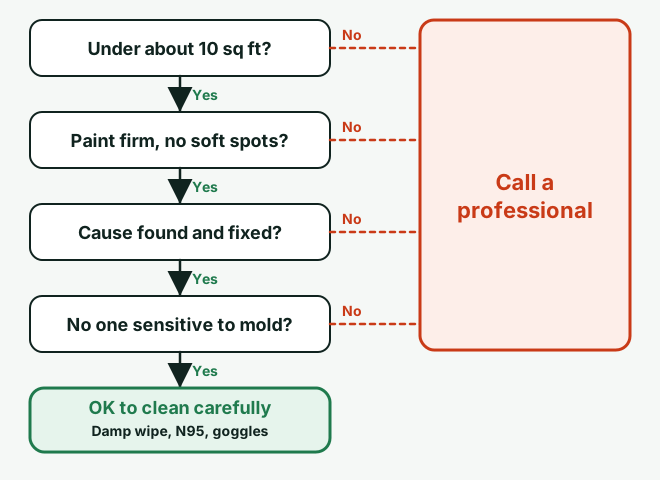
Stop and call if you see any of these:
- Spots reappear within two to four weeks
- The paint is bubbling, peeling or stained through
- The drywall is soft, sagging or crumbling
- The musty smell remains after cleaning
- The area is larger than expected once you start
- You feel dizzy, congested or irritated while working
- There is an active leak or a ceiling that looks wet
Each of these means the moisture and the mold are deeper than a surface clean can reach. The longer you wait, the larger the repair, so the cost of stopping early is small.
What mistakes make ceiling mold worse?
- Painting over it. This hides the mold and traps moisture.
- Dry scrubbing. Brushing or sanding dry mold launches spores into the room.
- Using bleach on drywall. The liquid stays on the surface and the mold roots remain.
- Mixing cleaners. Bleach with ammonia or acids produces toxic gas.
- Skipping protection. A ceiling is directly over your face, so goggles and a fitted mask matter more than usual.
- Ignoring the source. A clean ceiling under a dripping line is only a delay.
- Running a fan at the ceiling. It spreads spores through the home.
What are the benefits of calling a professional?
Professional remediation is more than stronger products. It adds containment, HEPA air filtration, moisture mapping and clean removal practices, so the work does not spread spores into the rest of the house. It also covers materials you cannot clean yourself, such as insulation and drywall. The full process is described on our ceiling mold remediation page. For rough price ranges, see the cost guide.
What about bathroom ceilings in particular?
Bathrooms are where most DIY cleanups happen, and where they most often fail. A cleaned ceiling over a shower with a weak fan will grow mold again. If you are cleaning a bathroom ceiling, fix the ventilation too. Our bathroom ceiling mold removal page shows how.
What should you ask yourself before starting?
Four honest questions decide it: Is the ceiling firm? Is the spot small? Is the cause fixed? Is everyone in the house healthy enough to be around disturbed mold? If you answer yes to all four, clean carefully. If any answer is no, a phone call at (772) 710-1549 is cheaper than a failed cleanup and a bigger repair.
How should you dispose of cleaning materials?
Treat everything you used as contaminated. Seal sponges, cloths, paper towels and disposable gloves in a heavy plastic bag, tie it off and put it in the household trash. Wipe the mask's exterior with a damp cloth, wash reusable goggles and launder clothes separately in hot water. Wash your hands and face afterward. Do not shake out rags or towels indoors. If you cut out any drywall, that is a sign the job has passed the do-it-yourself stage, and it should be bagged in place by a crew that uses containment.
What if you already painted over the mold?
It happens often. Painted-over mold usually shows as bubbling, ghost spots or a stain that bleeds back through the new paint within weeks. The paint has sealed moisture and growth in place, so the underlying board may be worse than it looks. Do not sand or scrape the paint. Check the ceiling for softness, note when the stain returned and call for an inspection. The fix is the same as for any ceiling with a hidden problem: find the moisture, remove the affected material and rebuild before finishing.
Frequently asked questions
What is the best mold remover for a ceiling?
For small surface growth on sealed paint, dish detergent and warm water are the safest place to start. Hydrogen peroxide or vinegar can help with stains. No remover fixes hidden mold or the moisture source, so a returning stain means the cause needs attention.
Is it safe to spray bleach on a ceiling?
It is not a good choice. Bleach does not penetrate drywall, fumes are strong in small rooms and splashes can hurt eyes and skin. It should never be mixed with ammonia or other cleaners. Use detergent and water on small spots instead.
What mask do I need for cleaning ceiling mold?
A properly fitted N95 or better respirator, plus sealed goggles and gloves. Cloth and paper dust masks do not filter mold spores effectively. A mask that does not seal against your face offers little protection.
Does a dehumidifier get rid of ceiling mold?
A dehumidifier helps stop growth by lowering humidity, but it does not remove mold that is already there. Use it alongside cleaning or removal and a fix for the moisture source.
How do I know if the mold is bigger than 10 square feet?
Imagine a bath towel laid flat. If the stained or moldy area is larger, or you cannot see the edges because it continues behind trim or into the attic, treat it as larger than it looks and call for an estimate.
Ceiling mold in your Fort Pierce home? Call now.
A real person answers around the clock. Describe what you see and ask for a free estimate.
24/7 Emergency Line. Free estimate by phone.